eMaths.ie
Home
Contact
Revision Notes
Exam Layout
T&T Solutions
Calculators
Geogebra
Formulae and Tables Book
Applied Maths
Projectmaths.ie
Paper 1
S3 Number
Sequences & Series
Arithmetic and Money
Financial Maths
Number Systems
Complex Numbers
S4 Algebra
Algebra Overview
Algebra 1
Algebra 2
Algebra 3
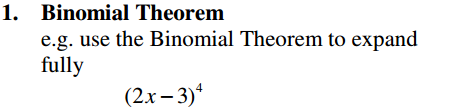
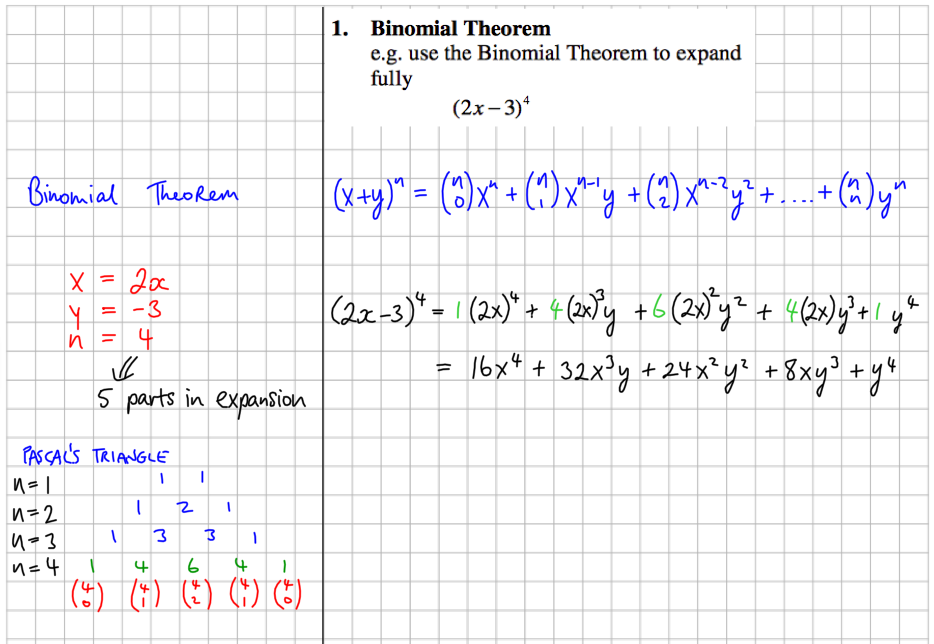
Binomial Theorem
Logs & Indices
S5 Functions & Calculus
Functions
Graphing Polynomials
Differentiation
Integration
Paper 1 - Must Learn
Paper 2
S1 Statistics & Probability
Probability
Statistics
S2 Geometry & Trigonometry
Geometry
Area and Volume
The Line & Circle
Trigonometry Overview
Trigonometry 1
Trigonometry 2
S3 Number (Area, Volume)
Paper 2 - Must Learn
Exam Papers
Printable Exam Questions
Exam Question Solutions & Marks
Molloy Maths LCHL Exam Videos
Revision Questions
Algebra Overview
Revision Notes
Algebra Exam Questions
For a reasonably comprehensive revision of Algebra this page contains 3 Printable Worksheets with solutions.
Algebra Revision Worksheet Questions
Algebra Revision Worksheet Solutions
22 Revision Questions
22 Algebra Revision Questions
Solution 1
Solution 2
Solution 3
Solution 4
Solution 5
Solution 6
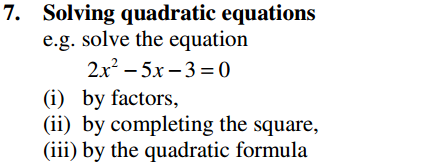
Solution 7 i
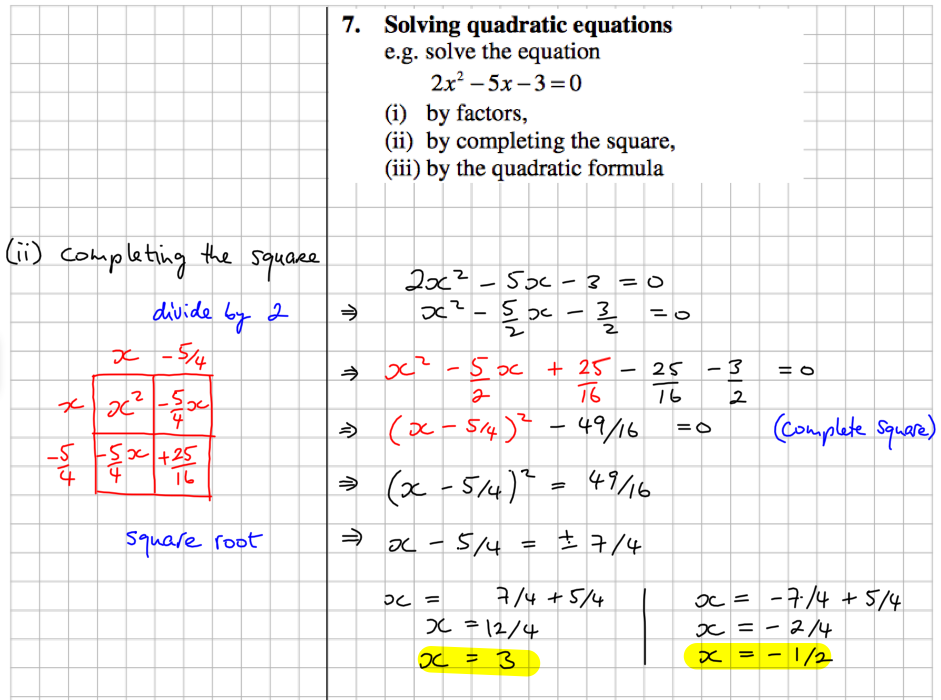
Solution 7 ii
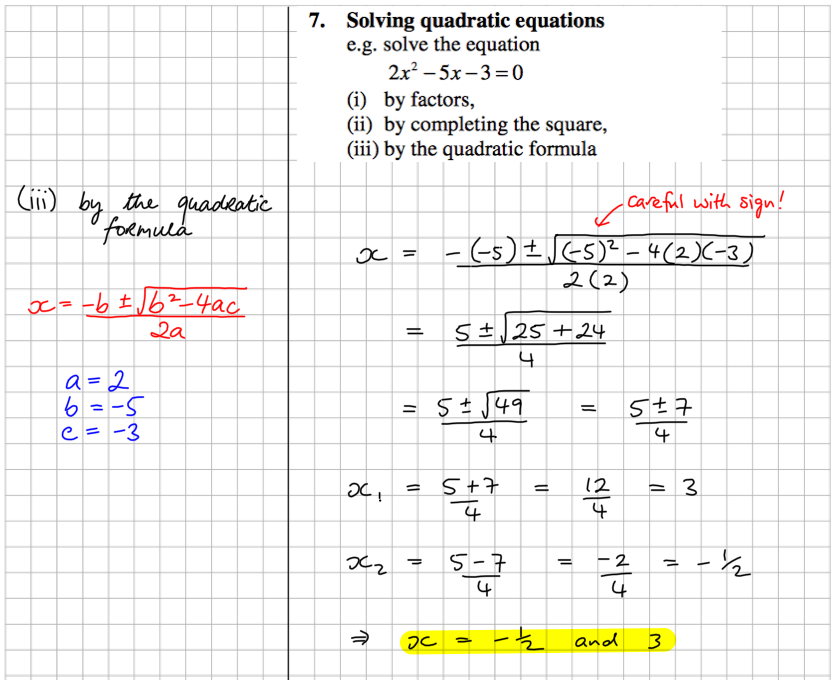
Solution 7 iii
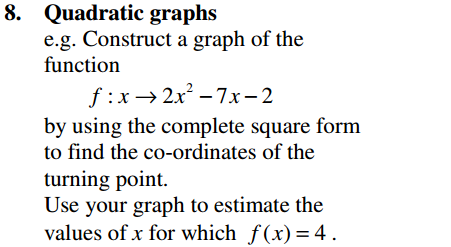
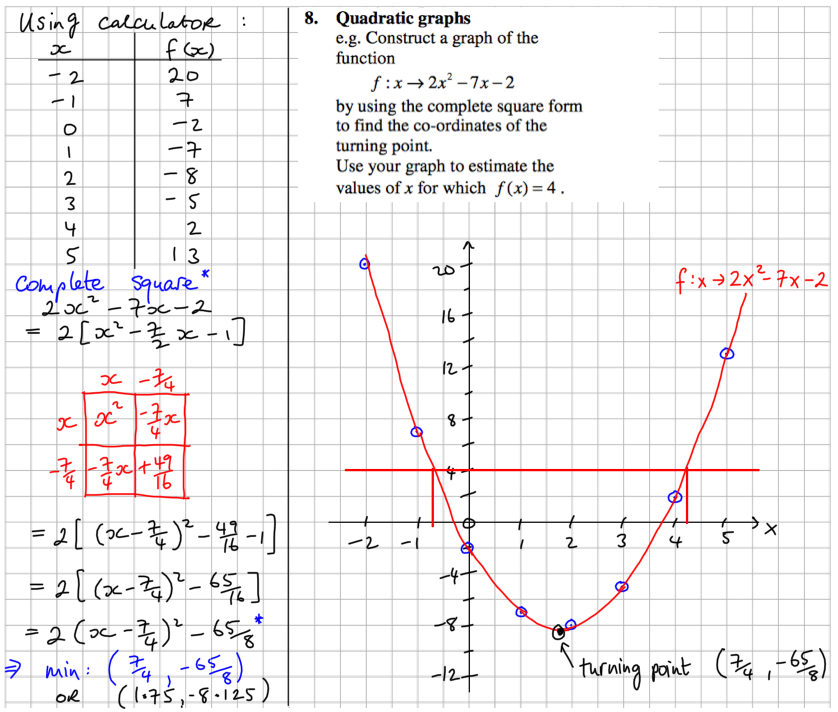
Solution 8
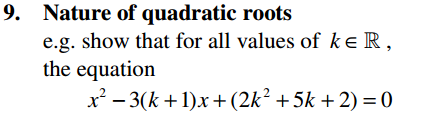
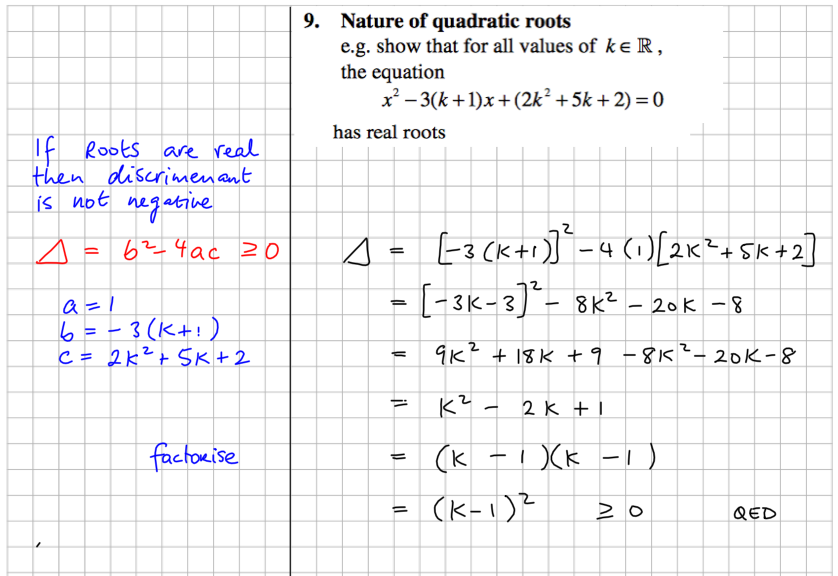
Solution 9
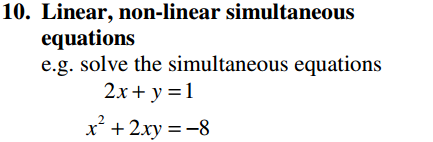
Solution 10
Solution 11
Solution 12
Solution 13
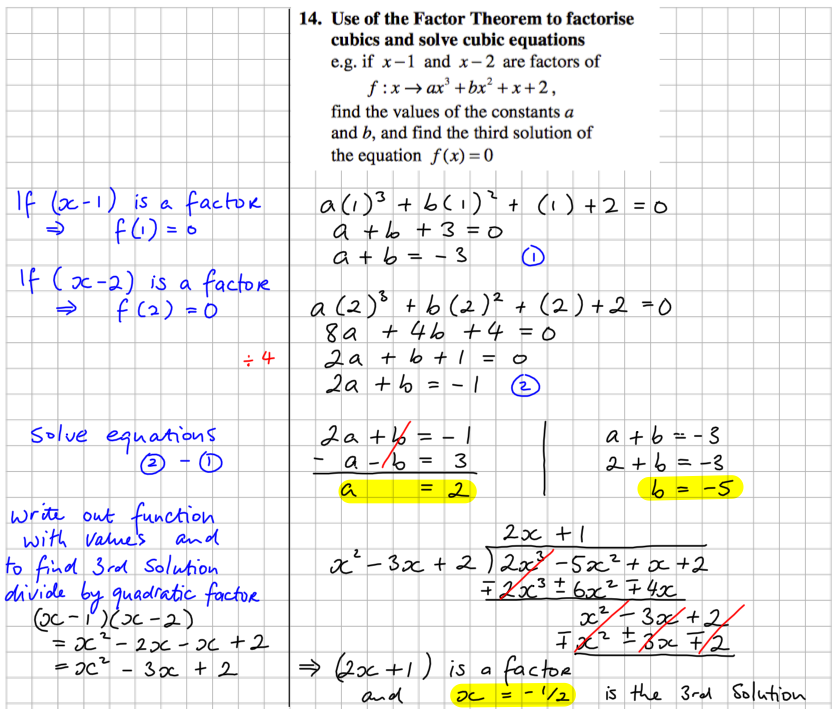
Solution 14
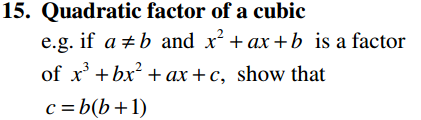
Solution 15
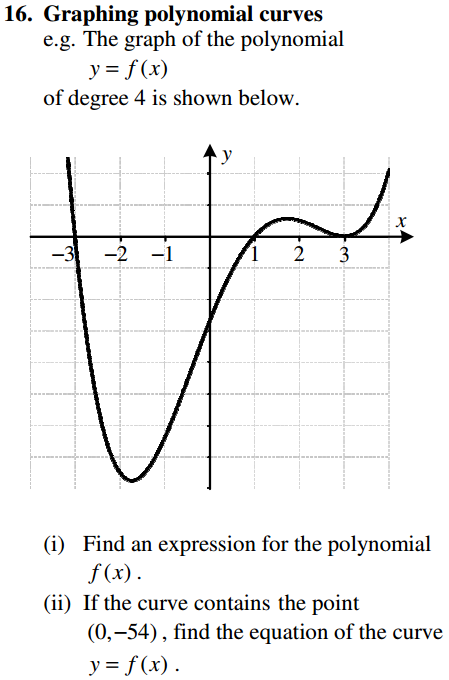
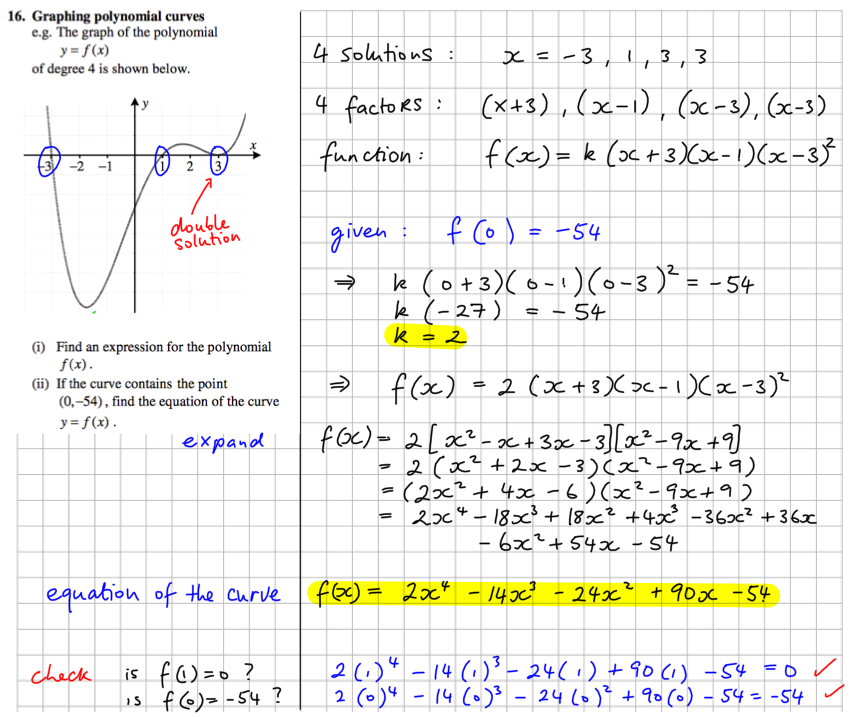
Solution 16
Solution 17
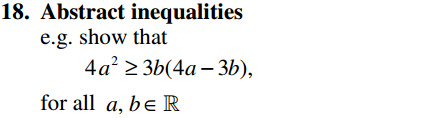
Solution 18
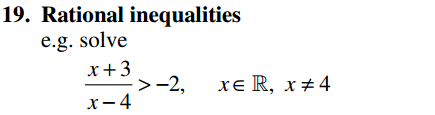
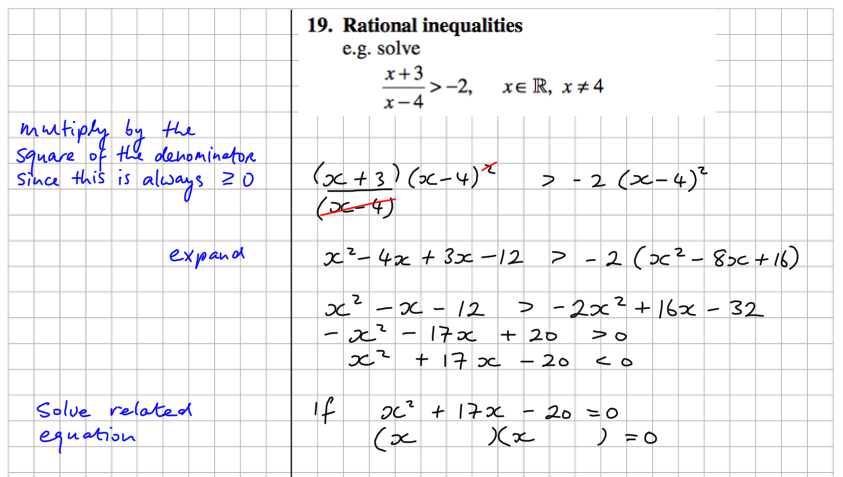
Solution 19
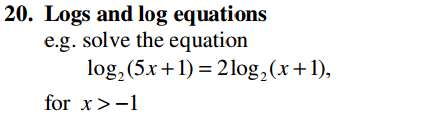
Solution 20
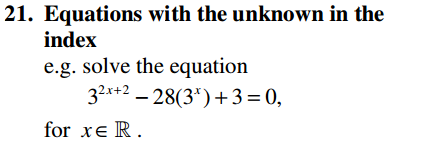
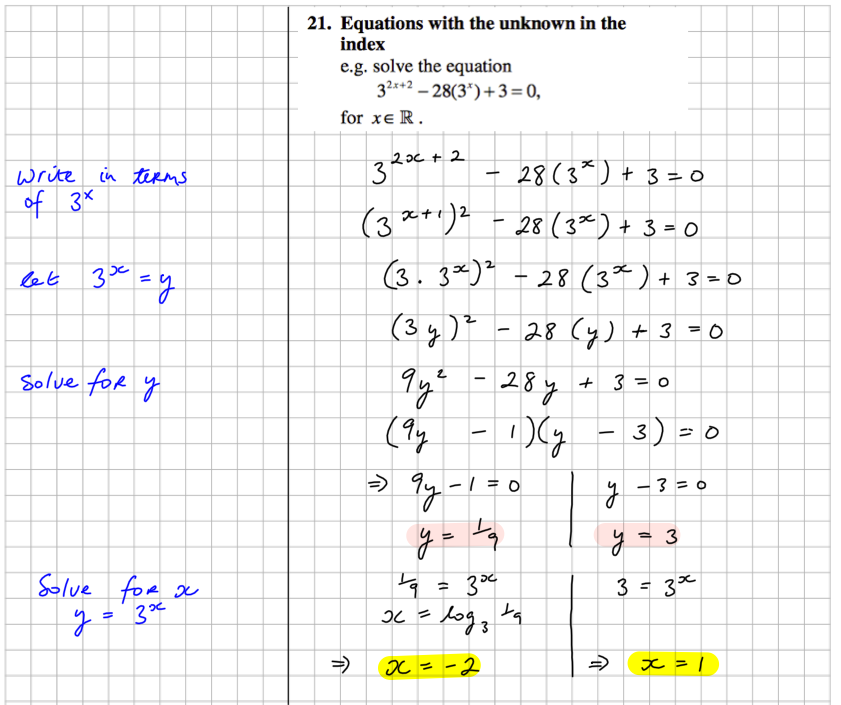
Solution 21
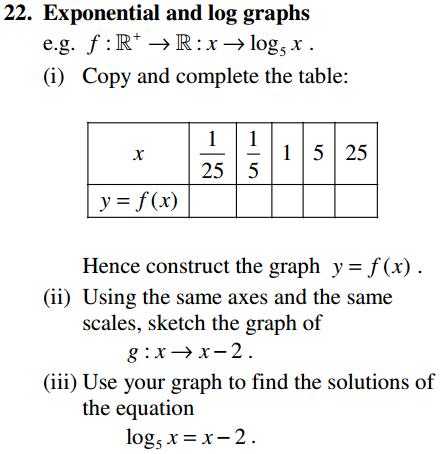
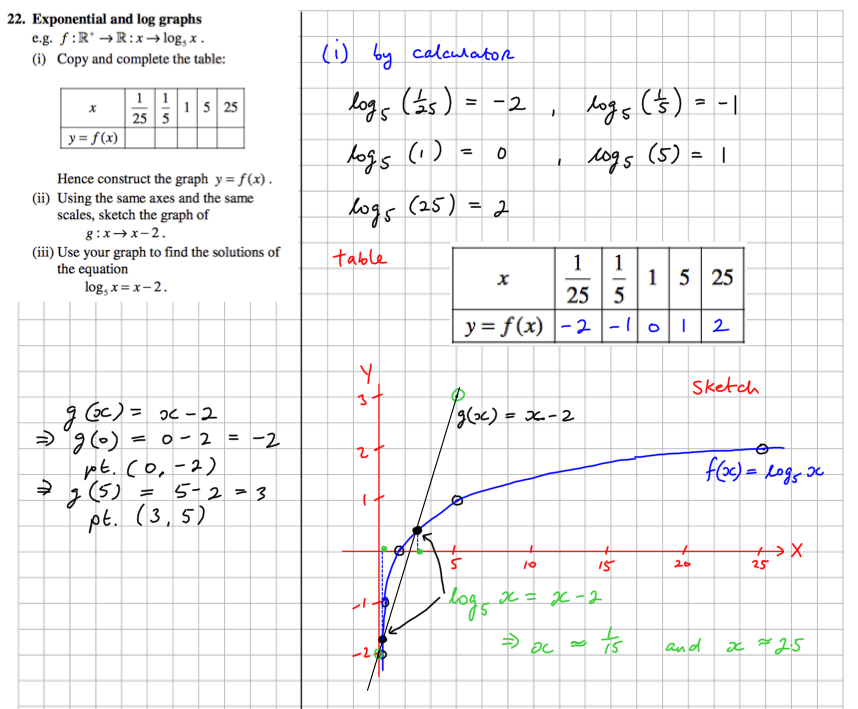
Solution 22
4 Revision Questions
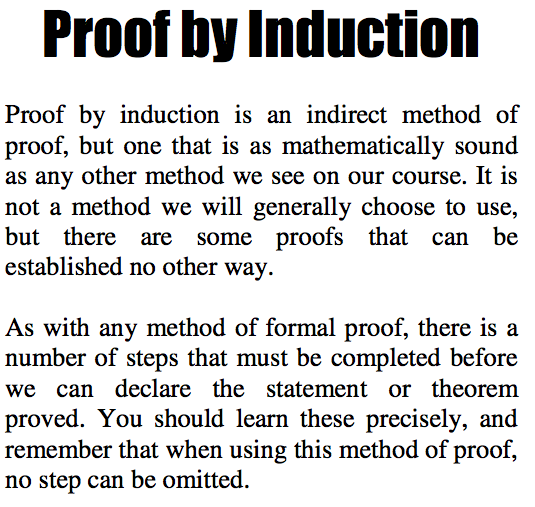
Induction Revision Questions
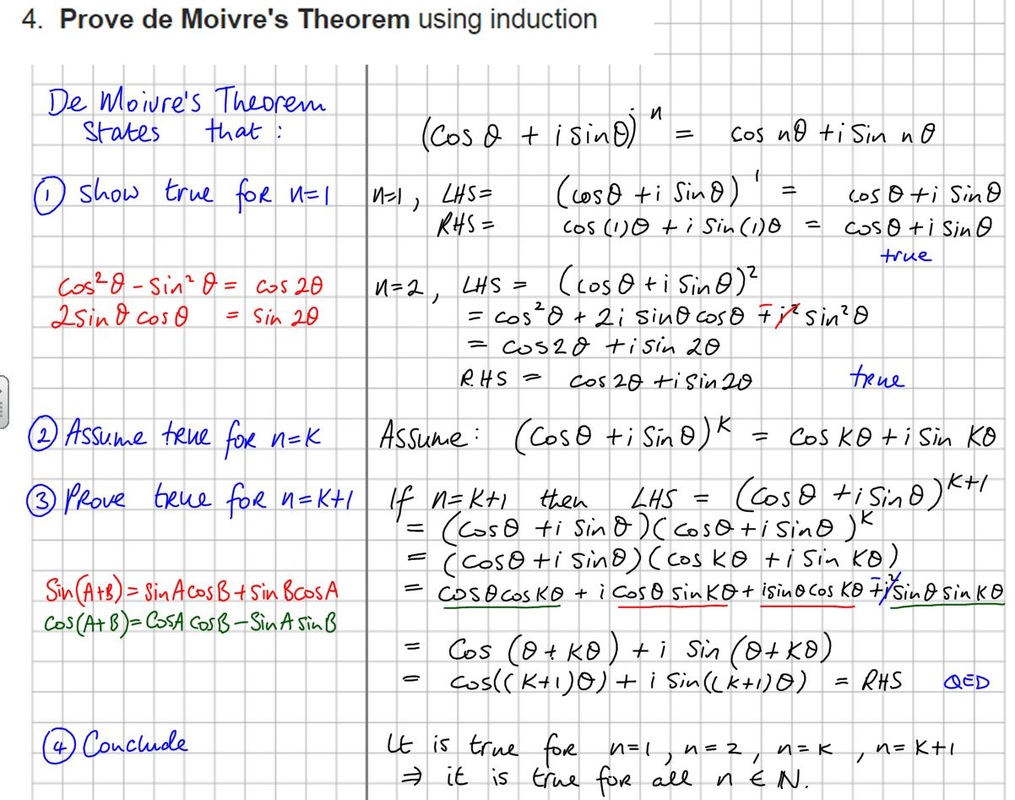
4.
Prove de Moivre's Theorem
using induction
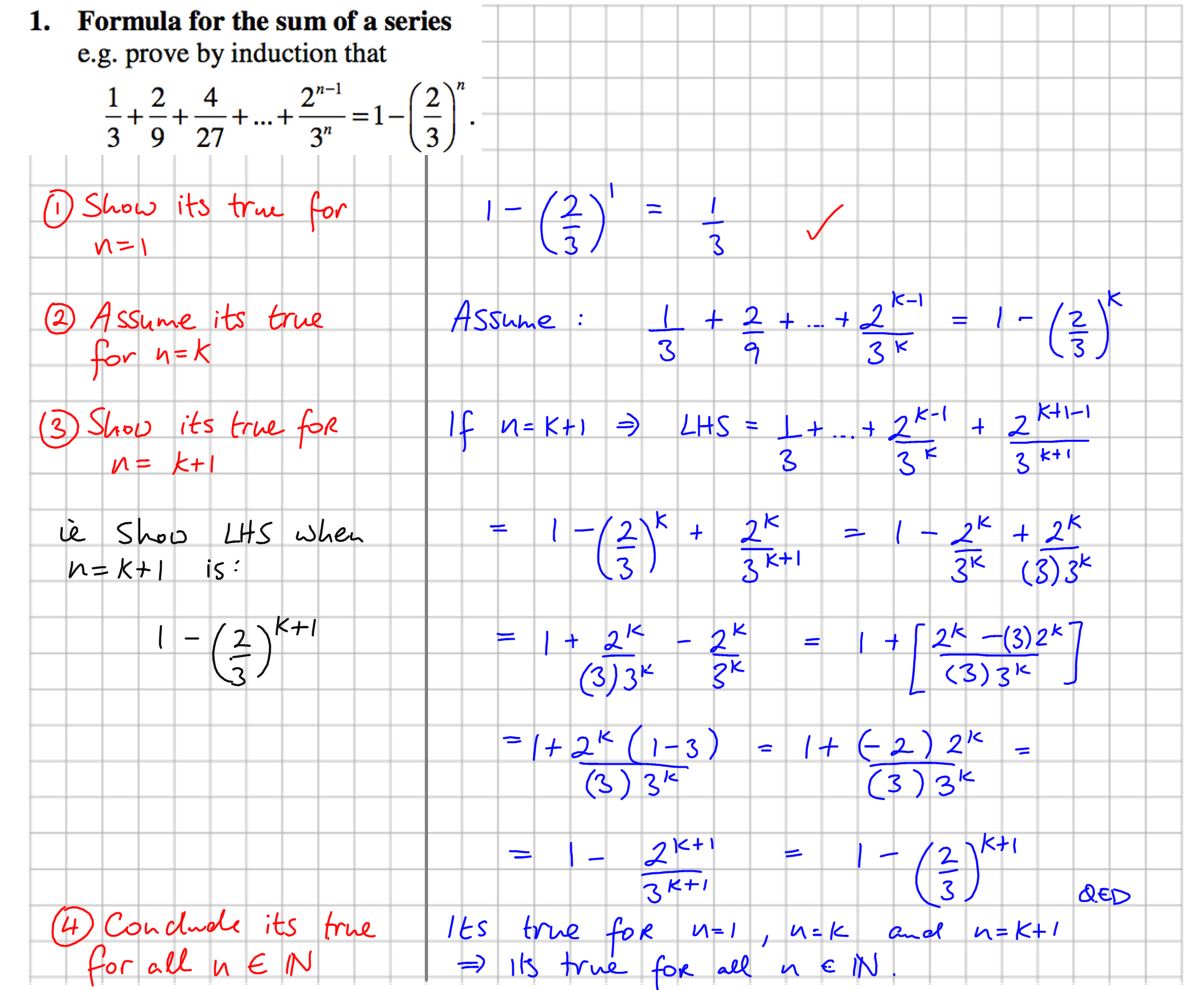
Solution 1
Solution 2
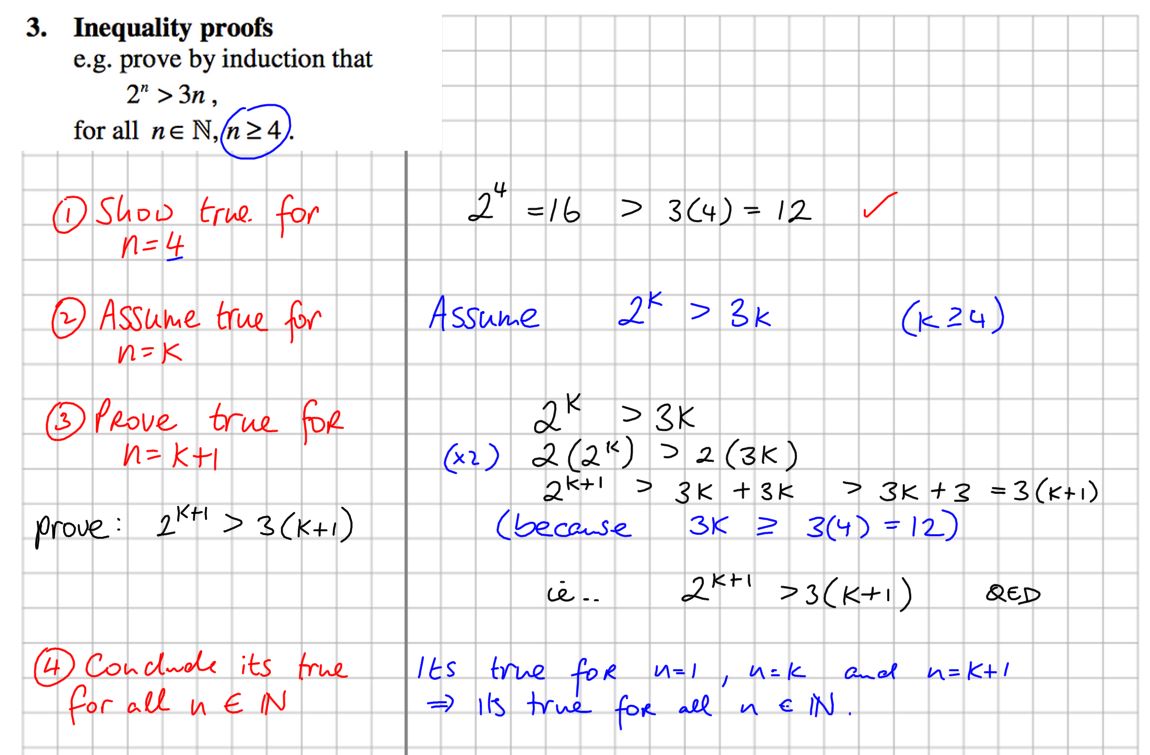
Solution 3
Solution 4